Verizon B2B
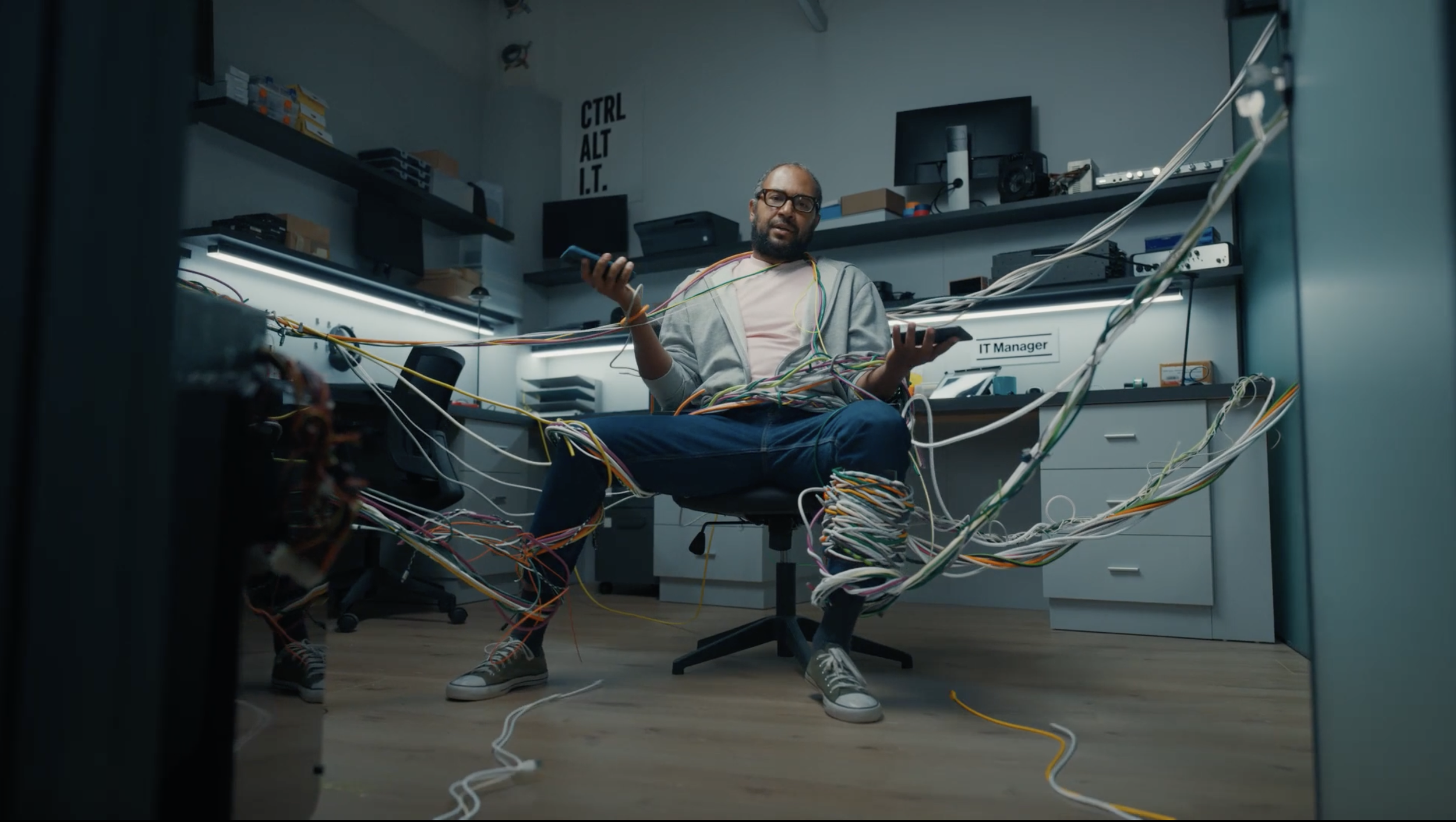
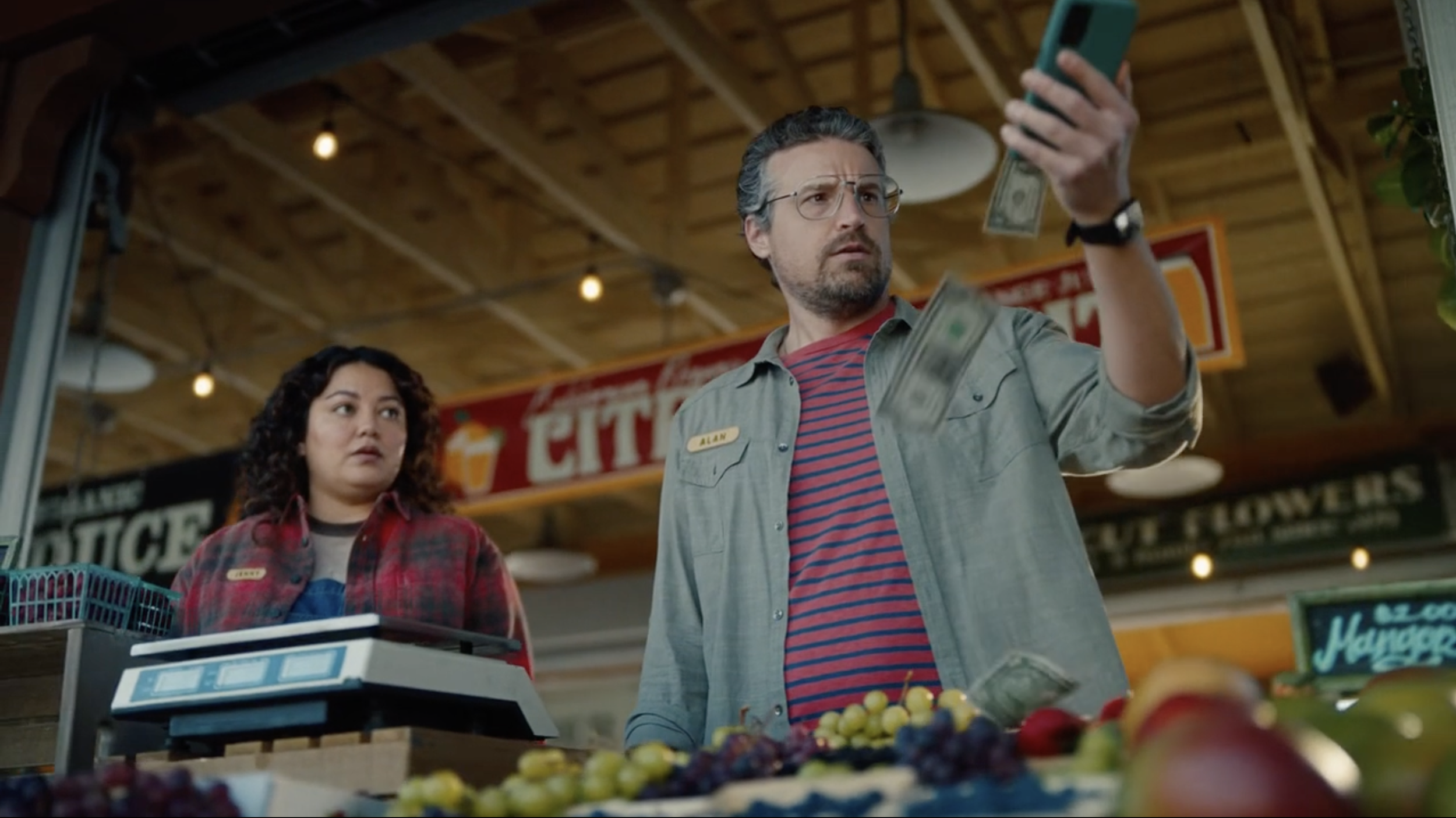
As ECD, I was part of the leadership team that pitched for and won the Verizon B2B account, a landmark moment that helped fuel Ogilvy New York's momentum throughout 2023. Over the following two years, my partner Lance Jensen and I led all creative across the account, from major ad campaigns and paid and organic social, to targeted performance work and international.
But this wasn't my first chapter with Verizon.
Verizon Brand: Launching 5G to the World
A few years earlier, I ECD’ed one of the most significant product launches in Verizon's history: the global debut of 5G at CES, delivered ahead of CEO Hans Vestberg's keynote address. The launch was anchored by a manifesto I scripted called The Age of Humans, a declaration that 5G wasn't just a leap in technology, but a leap in what people could do with it.
The Age of Humans Documentary Series
Following the launch, we hit the road. Throughout 2019, we traveled across the United States to find real people whose lives were being transformed by technology and turned those stories into a series of documentary films.
Documentary 01 : Catching Cancer
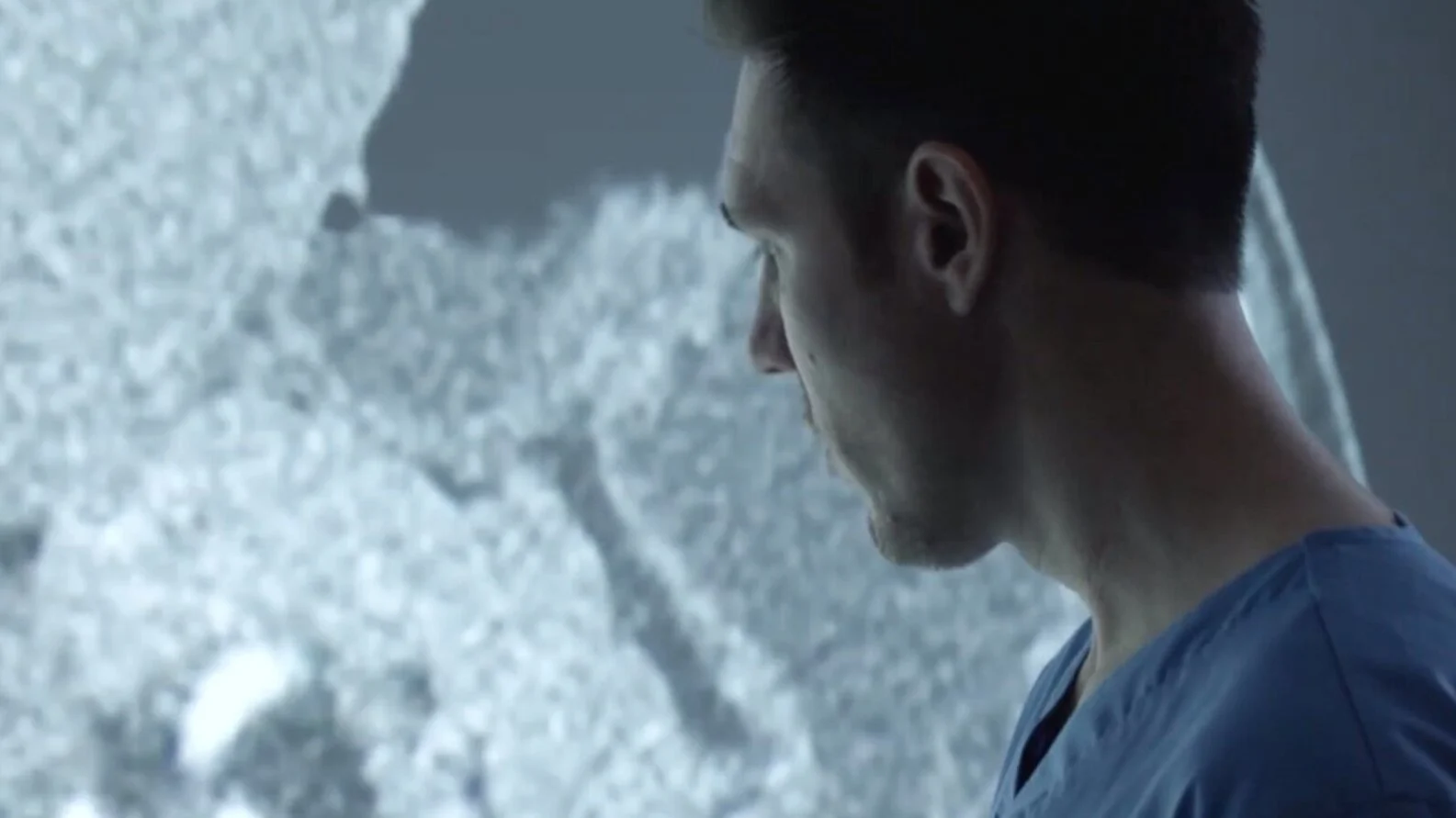
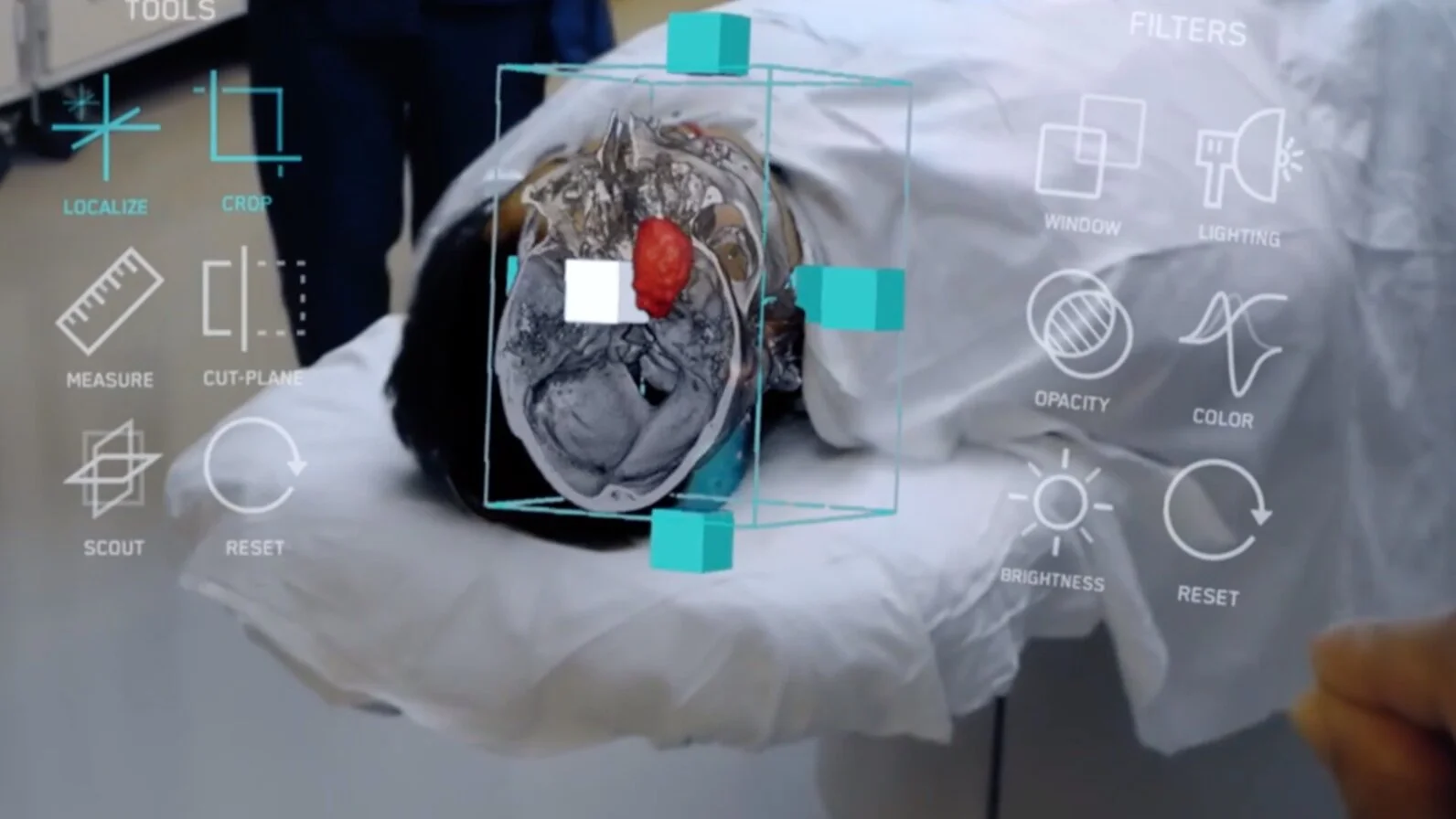
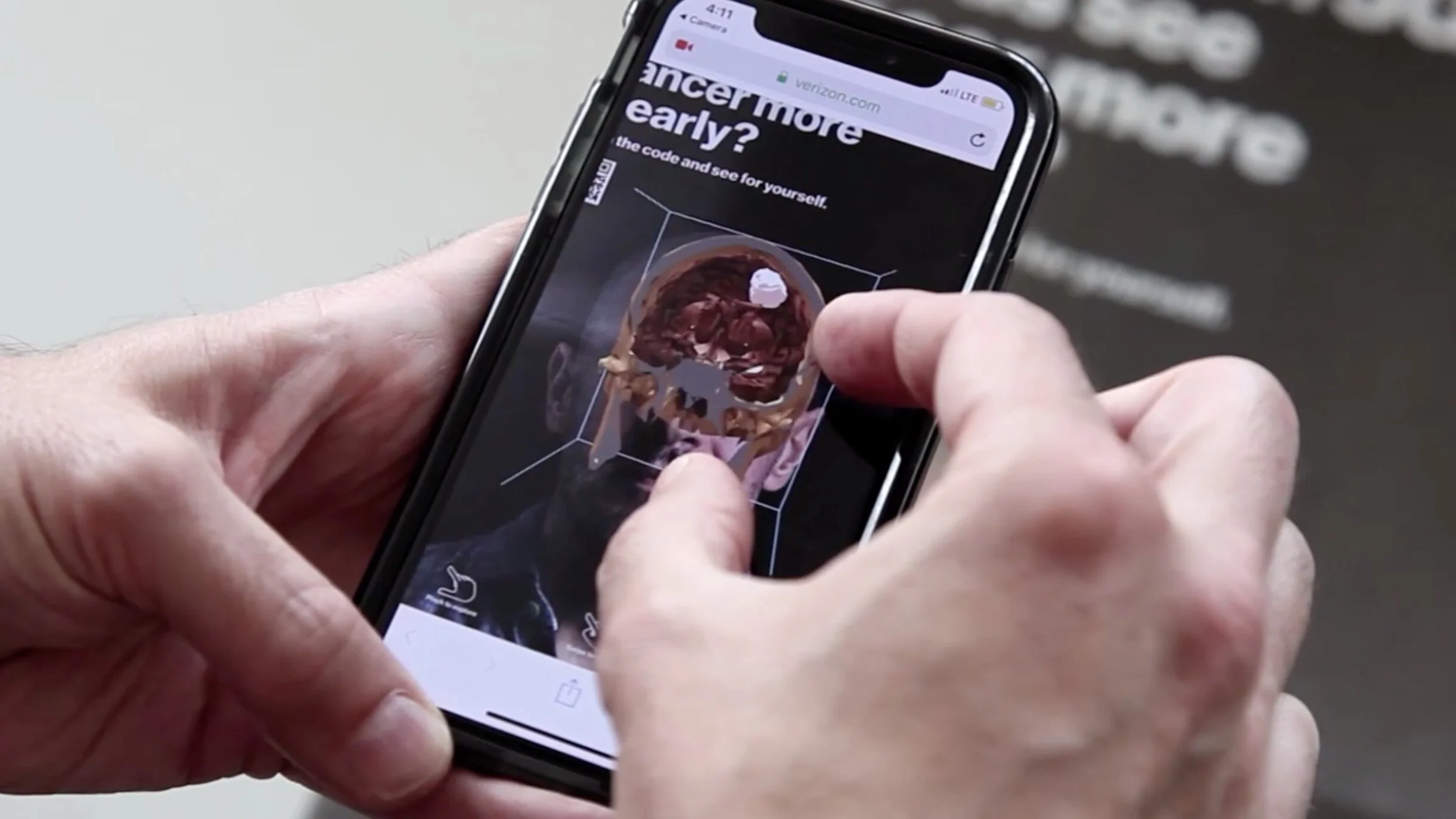
Doctors fighting cancer are often limited to 2D images when trying to understand a patient's 3D anatomy. Dr. Christopher Morley and Dr. Osamah Choudhry set out to change that. Their company, Medivis, takes MRI and CAT scan data and converts it into 3D holographic renderings — fundamentally transforming how surgeons plan and perform procedures. This film tells their story.
Documentary 02: Closing the Divide
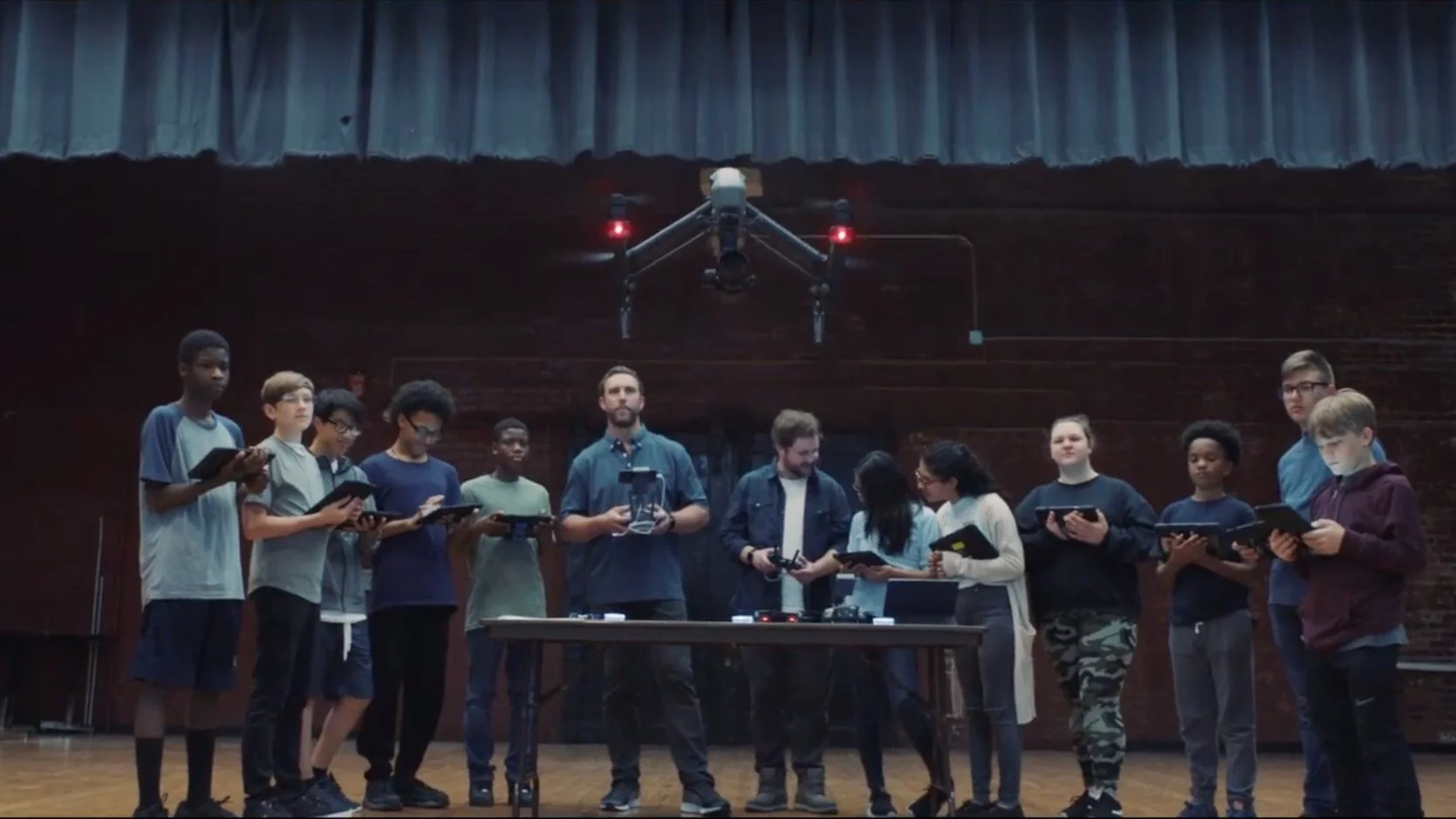
Millions of students across America still lack reliable access to technology. Verizon has been working with underserved schools to help bridge that gap. We traveled to Louisville to follow a group of students and ask a simple question: when technology becomes accessible, does it actually change anything?
The Diagnosable Print Ad
To bring the Medivis story to life beyond the screen, we took over The New York Times and created something that had never been done before: a diagnosable print ad. We partnered with a real patient living with a brain tumor. Point your phone at his photo and, using augmented reality, you can see inside his head, his brain, and the tumor, rendered in 3D.
The longer documentary films lived online and on TV, supported by short-form social content. The AR experience ran alongside them, giving New York Times readers a way to feel the technology firsthand.